
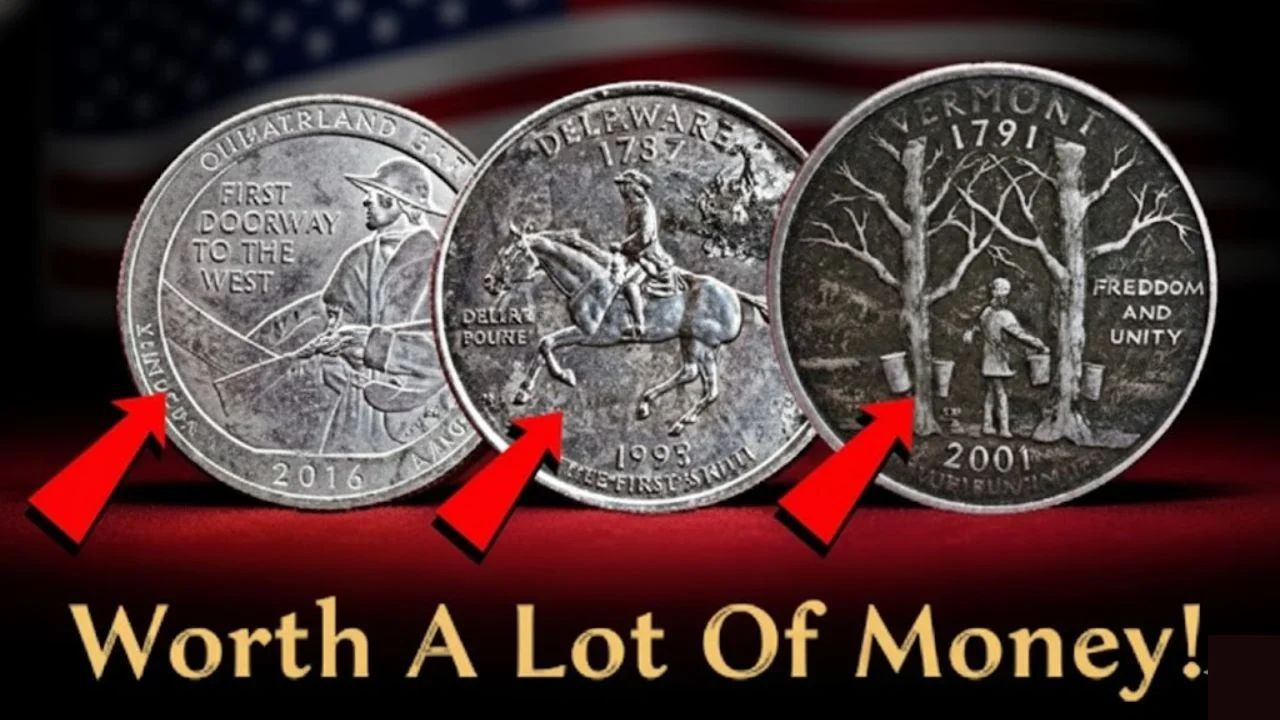
More than a decade after the final coins were released, the 50 State Quarters Program remains one of the most successful and recognizable coin series in U.S. history. What began in 1999 as a simple redesign project quickly evolved into a nationwide collecting movement. Today, in 2026, state quarters occupy a mature and stable space in the numismatic market. While most are still worth face value, certain coins now command strong premiums due to rarity, condition, and special minting features. This guide breaks down what truly matters for collectors and how to spot real value in a crowded market.
The Legacy of the State Quarters Program
The State Quarters Program reshaped how Americans viewed everyday currency. By releasing five new designs each year, the U.S. Mint turned quarters into storytelling tools that celebrated history, culture, and state pride.
Why the Program Still Matters
- Encouraged millions to start collecting
- Made coin collecting affordable and accessible
- Blended education with everyday spending
- Created a complete, clearly defined series

The program officially ran from 1999 to 2008, followed by Washington D.C. and U.S. Territories issues in 2009.
State Quarters Program: Quick Overview
| Category | Details |
|---|---|
| Program Name | 50 State Quarters Program |
| Years Issued | 1999–2008 (States), 2009 (D.C. & Territories) |
| Total Designs | 56 |
| Standard Composition | Copper-nickel clad |
| Special Editions | 90% silver proof coins |
| Release Schedule | 5 designs per year |
| Total Circulation | Over 34 billion coins |
Are State Quarters Valuable in 2026?
Most circulated state quarters are still worth 25 cents, but value exists in specific categories that collectors actively seek.
Coins That Carry Premium Value
- Uncirculated coins in top condition (MS67 or higher)
- Silver proof quarters with precious metal content
- Error coins such as double strikes or design anomalies
- Certified coins graded by PCGS, NGC, or ANACS
Condition is the single biggest factor. A flawless coin can be worth many times more than a lightly worn example of the same design.
Understanding Today’s Market Trends
The state quarters market in 2026 is no longer driven by hype. Instead, it rewards focus and quality.
What Collectors Are Buying Now
- Professionally graded high-grade coins
- Complete silver proof sets
- Documented error varieties
- Original sealed U.S. Mint sets
Large quantities of circulated coins hold little resale value, but certified and well-preserved pieces continue to see steady demand.
Smart Collecting Strategies for 2026
Whether you’re starting fresh or refining an old collection, a focused approach delivers the best results.
Practical Tips for Collectors
- Prioritize condition over quantity
- Store coins using non-PVC, archival-safe holders
- Consider professional grading for exceptional coins
- Specialize in one area (errors, proofs, or top-grade coins)
- Research mintmarks and mintage figures before buying

Collecting with intention often proves more rewarding than trying to own everything.
Notable Error Coin Spotlight
One of the most famous state quarter errors is the 2004 Wisconsin “Extra Leaf” quarter, featuring an additional leaf on the corn stalk. Both “High Leaf” and “Low Leaf” varieties are highly collectible and can be worth significantly more than face value in good condition.
Frequently Asked Questions
Are state quarters from pocket change valuable?
Usually no. Most circulated coins are worth face value unless they are errors or unusually well-preserved.
What makes a state quarter valuable?
Condition, rarity, special composition, and professional certification.
What are silver proof state quarters?
Collector coins struck in 90% silver and sold only in official U.S. Mint proof sets.
Is it too late to start collecting state quarters?
Not at all. The market is stable, and entry costs can still be low.
Should I get my coins graded?
Only if the coin is uncirculated, an error, or appears exceptional. Grading adds credibility and value.
Conclusion
The 50 State Quarters Program has earned a permanent place in American collecting history. While most coins remain everyday currency, the right examples—well-preserved, rare, or unique—continue to grow in appeal. For collectors in 2026, success lies in knowledge, patience, and a clear collecting goal. Whether you’re driven by nostalgia or investment potential, state quarters still offer an engaging and accessible path into numismatics.